




Professional advertising translation is a vital process for any company that wants to launch campaigns in international markets without losing impact, coherence, or intent. It involves adapting messages, emotions, and cultural references so that they work in different countries and contexts. In international campaigns, where an idea needs to work in multiple markets, a poor adaptation can have a direct impact on the results and on how the brand is perceived. What does the international dimension entail in advertising translation? …
Category: Culture and Localization
→
Culture and localization are two fundamental concepts in professional translation. This space is dedicated to interesting facts and the characteristics of each language.

There is a widespread conception in Europe that French is, by nature, an elegant language. Not only in how it sounds, but in what it represents. A simple glance at fashion, perfumery, or luxury will only confirm this: when a brand wants to sound chic, it adopts a French word. This stereotype didn’t just arise by accident, but neither is it as simple as it might seem. Understanding when it is real and when it’s just a symbolic tool helps …

In the French business sphere, the first letter is particularly significant. It is seen as not merely informative, but an early indication of the professional style of the company writing. As such, even when you have been working with a Spanish-French translator from the outset, and with professional French translations, it is useful to know what is expected in that first point of contact. A structured greeting and introduction In professional French communication, the initial salutation is part of the …
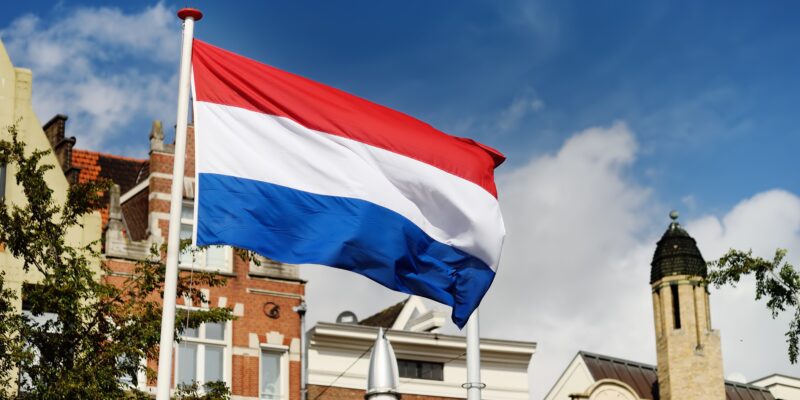
A good Dutch to Spanish translator doesn’t just swap one language for another; they interpret two ways of looking at the world. Those who have dealt with Dutch understand this. Dutch communication is direct, brief, and practical. Spanish communication, by contrast, is often more emotional, contextual, and nuanced. That cultural difference explains why translating from Dutch to Spanish demands something more than a knowledge of the language: it requires an ability to understand how people think and express themselves in …

Opening a website and feeling like it was created just for you immediately builds trust. However, many companies forget that what works in their home country doesn’t always connect in the same way in a different country. Website localization is a process that adapts a site to the culture, language, and expectations of each market, and it has become a strategic tool for international growth. Below, we explain why a businessperson should invest in website localization, with concrete figures and …