
A translation doesn’t just change the language of a brand. It can also change how its quality, personality, and uniqueness are perceived.
A firm that wants to convey exclusivity, a cosmetics brand that bases its communication on innovation, or a fashion company that opts for a friendly tone need to preserve those traits when speaking in other languages.
As such, a translation for professional fashion and beauty also helps to protect positioning: the product remains the same, but the words used to present it are part of how the audience interprets it.
What does translation have to do with brand positioning?
Positioning isn’t just about price, design, or visual image. The way a product is named, its features are described, or the customer is addressed also shapes a particular perception.
If a brand uses precise and careful language in its original market, but its international version contains ambiguous, overly generic, or unnatural expressions, the two different audiences aren’t receiving exactly the same signal.
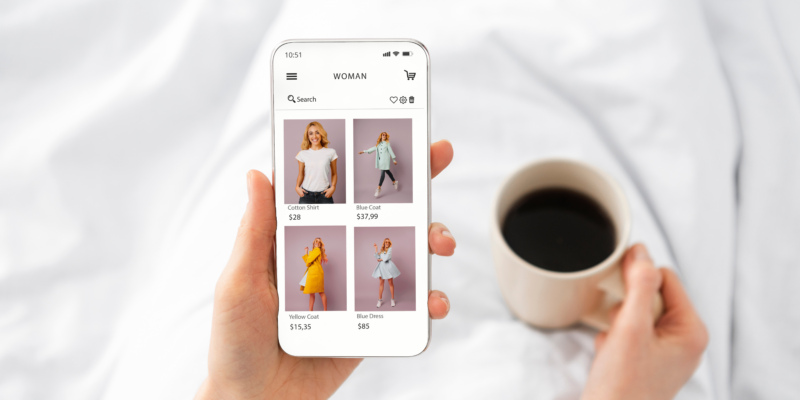
This is especially relevant online. Ambiguity introduced in translated descriptions can reduce the quality that the consumer attributes to the product, and this effect can be greater in ecommerce, where there are fewer physical features to evaluate it.
Maintaining the tone does not mean translating word for word.
A recognizable brand needs some continuity across markets, but that doesn’t mean it has to reproduce the exact same structures. A short, elegant phrase in one language may need a different construction to convey the same feeling in another.
This is especially noticeable in premium or luxury brands. Making a deliberately suggestive message more explicit can alter the effect that the original communication sought to achieve.
A specialized translation for fashion, beauty, and ecommerce brands must identify what function the language serves before deciding how to translate it.
Which elements of positioning should be protected?
Primarily, those that make the brand’s communication recognizable:
- the tone and level of formality;
- the terminology associated with the product;
- the way of presenting benefits and features;
- the degree of technicality or simplicity;
- recurring concepts and expressions;
- the way it differentiates itself from other brands.
This does not mean that all markets should receive texts that are identical. The challenge lies in maintaining a global identity and, at the same time, adapting communication where the context so requires.
Why does consistency across channels also matter?
Positioning is not built on just one website. A person may come across the brand in a campaign, then enter the ecommerce site, read a product description, and finally receive a newsletter. If each piece uses different linguistic criteria, the brand perception becomes fragmented.
A translation service for fashion and beauty should maintain a recognizable line between ecommerce, campaigns, catalogs, packaging and other content, even though each channel has its own needs.
So, can a translation affect the perceived value?
Yes, although it should not be understood as an automatic relationship between “good translation” and a “more valuable brand”.
What we do know is that language functions as a signal to the consumer. If the content is ambiguous or poorly crafted, it can harm the perception of quality. If, in addition, the style or personality of the communication changes unnecessarily, the brand may move away from the positioning it is trying to build.
Therefore, a translation agency specializing in fashion and beauty must know not only the language and the sector, but also how the brand wants to be perceived.
Frequently asked questions
Yes. Tone, clarity, terminology, and linguistic choices are all part of the signals through which the audience interprets a brand and its products.
No. It means preserving the important features of the brand by using natural and appropriate solutions for each language and market.
Because in certain positionings, the way of communicating, the choice of words, and as well as what is explained or suggested, are all part of the brand’s symbolic value.
There must be a common identity, even though a product sheet, a campaign, or an email may require different registers.
Protect your brand identity even when it changes language
At blarlo, we work with translators specializing in fashion, beauty, cosmetics, retail, ecommerce ,and luxury using terminology control, style references, and review processes to maintain consistent communication across different markets and channels. We also have ISO 9001 and ISO 17100 certifications, which support our quality processes and translation services. Request your translation quote for fashion and beauty and take your brand to new markets without losing what makes it recognizable.
About the author
Laura González Toré, Marketing and Communications Director at blarlo
Specialized in content strategy, digital communication and internationalization, she works on blarlo’s positioning and adapting professional translation to companies’ needs.