



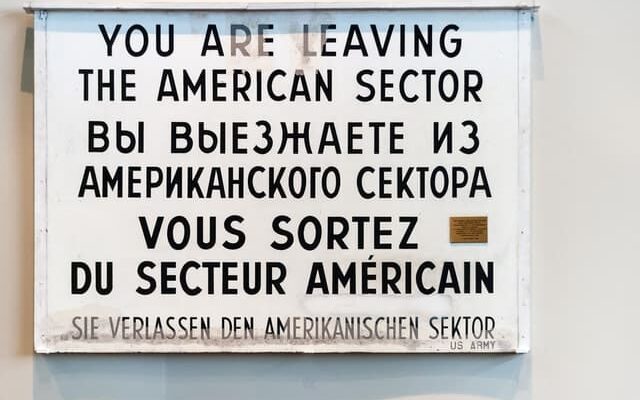
Translating a language is one of the most complicated things there is to do; however, it is quite necessary considering the great number of languages that exist in the world. In fact, there are people who specialize in translation — something that is vital for many communication tasks in sectors like business or tourism. What are the most difficult languages to translate? There are languages that are similar to each other because they stem off from a sole language, like …
Category: Culture and Localization
→
Culture and localization are two fundamental concepts in professional translation. This space is dedicated to interesting facts and the characteristics of each language.

The aeronautical industry is an international sector in which the relationships between companies with multiple nationalities are fundamental. Those of you who work in companies in the aeronautical sector therefore need a technical translator to make sure you communicate fluently and thus close any possible deals. Aeronautical language Everyday English is the language that is normally used, rather than technical English. The latter is the language employed among aviation parts manufacturers, and thus having linguistic services available is essential. In …

Normally, the worst examples of bad translations are always found in texts related to the tourism sector. Have you noticed these details? A cover on a restaurant menu that is not correct, an unfortunate sign announcing an activity, or a brochure that is too vague. Translation mistakes in the tourism sector are common. Many consider that translating a tourism text is easy or that using Google Translate will solve the problem. This is not professional at all and, if we …

Spelling involves the correct use of letters to correctly write each word. In order to implement it, it is necessary to know and apply the conventions and standards established in the language in question. It’s much more than just a superficial issue, and we can’t change as we please. On the contrary: we must have impeccable spelling if we want our communications to reach our audience accurately. Now, why is it so important? And how does it influence the translations …
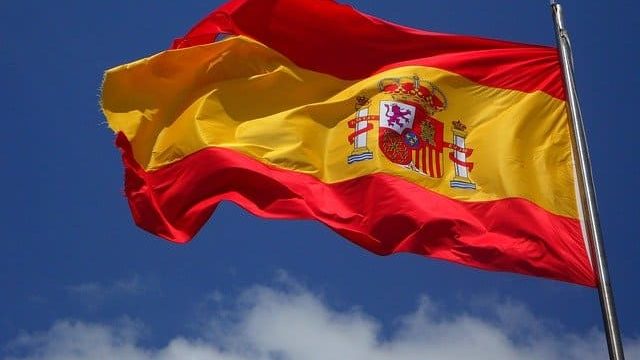
The co-official languages in Spain are specified in Article 3 of the Constitution. Below, we’ll give you full information on each of them: What are the co-official languages in Spain? In fact, there are five. Below, we’ll tell you a bit about their origin, history, the number of people that speak them, and their area of influence so that you can be more aware of their importance. Catalan, Valencian, and Balearic These three types of Catalan come from vulgar Latin …