
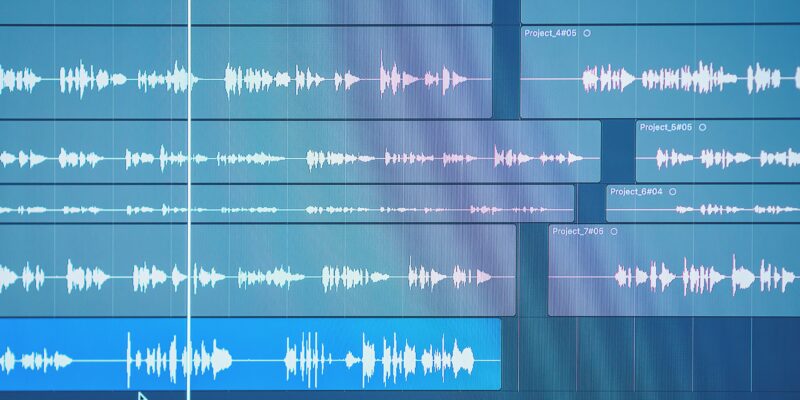
Audio to text transcription is the process by which a voice recording, a conversation, or any sound content is converted into written text. It is used to turn meetings, interviews, classes, conferences, podcasts, or videos into documents that can be read, edited, filed, and shared more easily. As such, it is becoming increasingly common in companies, universities, media, and digital platforms.
How does audio to text transcription work?
Audio transcription begins with a sound file, which is converted into written words. This conversion can be done by someone who listens to the content and types it manually, or through an automatic tool that recognizes voice and generates text in just a few minutes.
In manual transcription, the result is often more accurate when the audio has background noise, multiple speakers, or technical terminology. Automatic transcription, on the other hand, makes it possible to work with large volumes of content more quickly, which is particularly useful for work meetings, long interviews, or frequent recordings.
This is where using technology makes more sense: current voice recognition systems analyze the voice, identify language patterns, and turn the sound into text. Many tools also add punctuation, separate interventions from different speakers, and enable us to proofread the result before using it as a final document.
Differences between audio transcription and video transcription
Audio transcription and video transcription share the same key goal: to turn spoken content into text. The difference lies in the type of file and in the information that may accompany the content.
In audio transcription, we are only dealing with the sound aspect. This is particularly common in calls, podcasts, voice notes, interviews, recorded classes, or conferences. The final text allows us to search for specific words, extract key ideas, and keep the information without having to listen to the entire recording again.
In video transcription, we can take into consideration what is happening on the screen in addition to the dialogue. For example, a presentation, a demonstration, a change of scene, or a relevant gesture. This is particularly useful in online courses, corporate videos, social media content, and educational materials.
It is also important to distinguish between a text transcription and a simple verbatim copy. A good transcription doesn’t just transfer words to a document; it also organizes the content so that it is easy to read and use.
Benefits of converting audio to text
Converting audio to text enables us to save time and use the information more efficiently. Instead of listening to a full recording, we can read the content, find a specific sentence, or review only the most important parts.
It also improves accessibility, as it enables people with hearing difficulties to access the content. Moreover, it paves the way to subtitling for videos, which is particularly useful for social media, online training, and corporate communication.
Another key benefit lies in organization. When we have a meeting, interview, or class in written form, it is easier to summarize ideas, share conclusions, save files, and reuse the content in articles, reports, or publications.
In short, audio transcription has become a key process for taking advantage of any spoken content. It enables us to convert recordings into useful information that is organized and easy to read at any given time.