




When a company or individual needs to present a university degree, a contract, a judicial sentence, or a birth certificate to a public body, a simple translation isn’t enough. In Spain, most administrations require a sworn translation of official documents, i.e., a translation with legal validity, signed and sealed by a professional authorized by the State. That person is a sworn translator, appointed by the Spanish Ministry of Foreign Affairs, European Union and Cooperation. Their translations are deemed official and …
Category: Culture and Localization
→
Culture and localization are two fundamental concepts in professional translation. This space is dedicated to interesting facts and the characteristics of each language.

When a company hires a certified translation agency, it not only expects a text that is correct in another language; it wants real guarantees for quality, professionalism, and process control. In this context, the ISO 17100 standard has become one of the most important international standards in the language sector. But, what does this certification actually mean and why does it make a difference when choosing a provider? What the ISO 17100 is The ISO 17100 is an international standard …
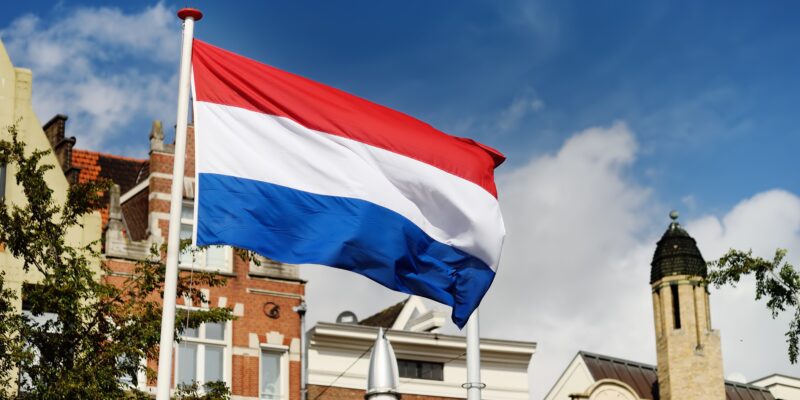
A good Dutch to Spanish translator doesn’t just swap one language for another; they interpret two ways of looking at the world. Those who have dealt with Dutch understand this. Dutch communication is direct, brief, and practical. Spanish communication, by contrast, is often more emotional, contextual, and nuanced. That cultural difference explains why translating from Dutch to Spanish demands something more than a knowledge of the language: it requires an ability to understand how people think and express themselves in …

Opening a website and feeling like it was created just for you immediately builds trust. However, many companies forget that what works in their home country doesn’t always connect in the same way in a different country. Website localization is a process that adapts a site to the culture, language, and expectations of each market, and it has become a strategic tool for international growth. Below, we explain why a businessperson should invest in website localization, with concrete figures and …

Spanish and Italian are sister languages. They share Latin roots, similar structures, and a musicality that makes them seem as if they were almost twins. But that closeness can also be deceptive: words that seem similar don’t always mean the same thing, and mistakes can be both amusing and risky. That’s why having a professional Spanish-Italian translator remains essential to avoid misunderstandings. False similarities between two very closely related languages At first sight, a Spanish speaker can largely understand most …